Connecting Regulatory Updates to Roulette Variant Popularity Among Quebec Mobile Users
Taylor Wolf · Nov 13, 2026

Connecting Regulatory Updates to Roulette Variant Popularity Among Quebec Mobile Users
Regulatory updates in Quebec have shaped mobile roulette options since the province expanded its online gaming framework, and observers note clear patterns between rule changes and which wheel variants gain traction among smartphone users. Data from regulated platforms indicates that adjustments to game mechanics, payout structures, and responsible gambling requirements often precede measurable shifts in player selections, with French, European, and multi-ball formats rising or falling based on compliance thresholds set by provincial authorities.
Regulatory Framework and Mobile Platform Requirements
Quebec's gaming oversight body enforces standards that mobile operators must meet before offering roulette variants, including limits on house edges and mandatory integration of player protection features, while those who've tracked usage patterns find that variants complying early with new rules tend to see faster adoption rates on iOS and Android apps. Recent policy tweaks have focused on automated verification processes for age and location, which in turn affect how quickly new wheel types appear in app stores serving Quebec residents, and figures from industry reports reveal that platforms updating their catalogs ahead of deadlines maintain higher engagement metrics for specific formats like single-zero wheels over double-zero alternatives.
Variant Popularity Metrics Among Mobile Users
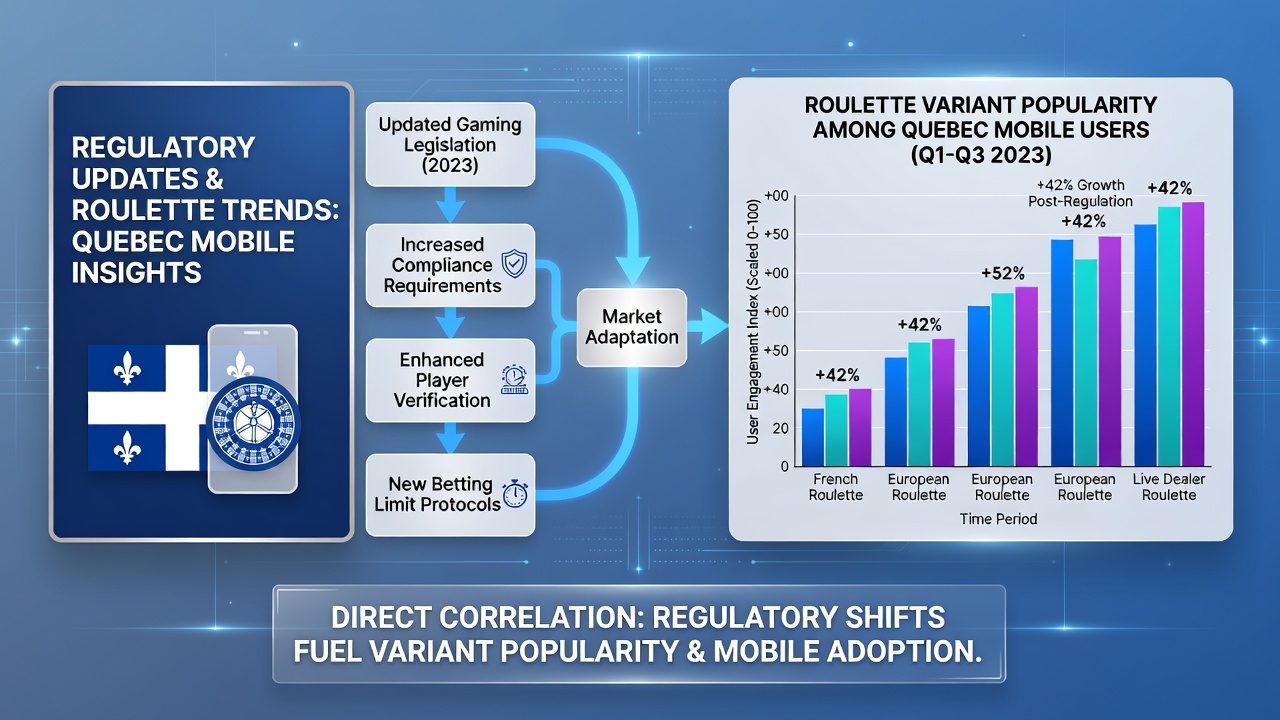
Usage statistics compiled across Quebec's licensed mobile environments show that European roulette variants have maintained steady download volumes following rules emphasizing transparent betting limits, whereas American-style options with higher house edges experienced dips when additional disclosure requirements took effect, and researchers at gaming analytics firms have documented these correlations through app telemetry that tracks session duration and variant switches. Mobile users in the province often gravitate toward live-dealer hybrids when regulations permit real-time streaming with embedded responsible play prompts, a trend that accelerated after updates clarified licensing for studio integrations, and one analysis from a Canadian industry group highlighted how these preferences align with broader data on session frequency in regulated markets.
What's interesting is how November 2026 brought further clarifications around mobile app certification for roulette software, requiring enhanced RNG testing protocols that favored variants with established audit histories, and operators responded by prioritizing certain wheel configurations in their Quebec-facing stores, leading to a documented uptick in selections of progressive jackpot add-ons tied to standard single-zero layouts according to platform performance dashboards.
Linking Specific Updates to Selection Shifts
Provincial directives on bonus structures and wagering contributions have indirectly influenced variant appeal, with rules that cap promotional multipliers pushing users toward variants offering built-in feature rounds rather than standard betting sequences, and evidence from operator dashboards indicates that multi-wheel formats gained ground once regulators standardized how those features factor into overall return-to-player calculations. Observers tracking Quebec's regulated sector point to case studies where a single rule revision on minimum payout frequencies prompted a measurable migration from basic European wheels to those incorporating side bets, while data shared by academic researchers studying digital gambling behaviors in North American jurisdictions supports these connections through longitudinal app usage logs.
Broader Market Indicators and External Comparisons
Comparisons with other Canadian provinces and international markets, including reports from Australian regulatory bodies on similar mobile gaming shifts, underscore how Quebec's approach produces distinct popularity curves for roulette variants, and links to resources like those from the Canadian Gaming Association provide aggregate figures on cross-jurisdictional trends without overlapping local enforcement details. A separate review from the Australian Gambling Research Centre on regulatory impacts in mobile environments offers parallel insights into variant adoption rates that align with Quebec observations when accounting for comparable compliance timelines.
November 2026 Developments and Ongoing Patterns
In November 2026, additional guidance on mobile geofencing and transaction monitoring took effect, prompting several platforms to streamline their variant libraries toward options that integrate seamlessly with new verification layers, and subsequent telemetry showed increased popularity for variants with simplified interfaces that reduce friction during compliance checks. Those monitoring these developments note that such adjustments often coincide with seasonal usage spikes, creating feedback loops where regulatory alignment boosts visibility in app recommendation algorithms and sustains interest in compliant wheel types over less adaptable ones.
Conclusion
Connections between Quebec's regulatory updates and roulette variant popularity on mobile platforms emerge through consistent tracking of compliance-driven catalog changes and user behavior metrics, with November 2026 serving as one recent example of how certification and disclosure rules steer selections toward certain formats. Continued monitoring of these dynamics across licensed environments provides factual benchmarks for understanding preference shifts without relying on external speculation.